
Jun 2026
Newsletter June 2026
Key Topic of the Month Construction Safety: Welfare Facilities Still a Key Compliance Requirement A recent prosecution highlighted ongoing failures to provide adequate welfare facilities on construction sites, despite repeated enforcement action and improvement notices.
Welcome Message
Welcome to June's newsletter.
Each month we bring you key legal developments, incident trends and enforcement action to help you stay compliant and protect your people.
Do you have anything specific you would like to find out more about - please let us know!
If you need support or practice guidance on implementing any of the topics below, keeping your place of work safe then our team at HSE Advisor Ltd is always here to help.
Email us at: info@hseadvisor.co.uk
Key Topic of the Month
Construction Safety: Welfare Facilities Still a Key Compliance Requirement
A recent prosecution highlighted ongoing failures to provide adequate welfare facilities on construction sites, despite repeated enforcement action and improvement notices.
Why It Matters
Suitable welfare facilities are a legal requirement under the Construction (Design and Management) Regulations 2015. Poor welfare standards can affect worker wellbeing, hygiene, morale and overall site safety.
Key Requirements
Clean and accessible toilets.
Washing facilities with hot and cold water.
Drinking water.
Rest areas and welfare accommodation.
Facilities available from the start of the project.
Key Message
Good welfare provision is not optional. Ensuring workers have access to suitable welfare facilities is a basic legal requirement and an important part of maintaining a safe, healthy and productive construction site.



Trend Spotlight
These themes reflect increased enforcement and client focus over the last month.
"From Reactive to Proactive Reporting"
A recurring theme across June's enforcement cases was that warning signs often existed before serious incidents occurred. Organisations are increasingly moving beyond accident statistics and focusing on leading indicators such as near misses, inspections, behavioural observations, welfare standards and maintenance compliance. By reporting and analysing these measures, businesses can identify risks earlier and prevent incidents before they happen.
This month we’ve seen increased queries around:
Machinery Safety and Safe Systems of Work
Vehicle and Plant near misses investigations
HR Support
Analytics and Prevention
If your organisation would like support with any of these areas, we can schedule an on‑site or virtual meeting.

Legislation
New Chemical Safety Regulations Come into Force
The Chemicals (Health and Safety) (Amendment, Consequential and Transitional Provision) Regulations 2026 came into force on 21 May 2026. The regulations form part of the HSE's programme to transition UK chemical legislation away from its EU origins while maintaining sufficient alignment to support trade with Europe.
Why It Matters
Although the changes do not have a direct impact on most end users, they represent another step in the ongoing development of the UK's independent chemicals regulatory framework. Businesses involved in the manufacture, import and supply of chemicals should remain aware of future changes, particularly as further legislation on the classification and labelling of chemicals is expected in 2027.
Key Message
Whilst these regulations are largely administrative for most organisations, they signal the continued evolution of UK chemical safety legislation. Businesses should monitor future developments to ensure ongoing compliance with chemical classification, labelling and supply requirements.

HSE News
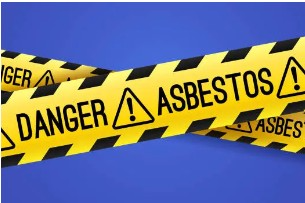
GB Asbestos Exposure Limit Remains Unchanged
The HSE has confirmed that Great Britain's asbestos control limit will remain at 0.1 fibres per millilitre, measured as a four-hour time-weighted average. This follows a review prompted by the European Union's decision to introduce a lower occupational exposure limit for asbestos fibres.
Why It Matters
Many organisations anticipated that the UK would follow the EU's approach and reduce the asbestos exposure limit. However, the HSE concluded that lowering the limit would create significant costs for businesses without delivering a proportionate reduction in exposure risk.
For duty holders, this means there is no immediate change to asbestos management requirements, monitoring arrangements or exposure limits. However, the decision reinforces the importance of maintaining robust asbestos management plans, surveys, training and safe working procedures when working on or near asbestos-containing materials.
Key Message
Whilst the legal exposure limit remains unchanged, asbestos continues to be one of the UK's most significant occupational health risks. Organisations should ensure existing asbestos management arrangements remain effective and compliant with the Control of Asbestos Regulations 2012.
HSE Targets Silica Risks from Engineered Stone
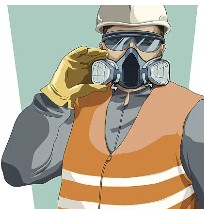
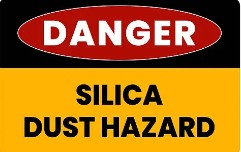
The HSE has announced a package of measures aimed at reducing exposure to respirable crystalline silica when working with engineered stone worktops. The measures include a prohibition on dry-cutting engineered stone, requirements for water suppression during cutting activities, suitable respiratory protective equipment (RPE), and mandatory health surveillance for affected workers.
Why It Matters
Exposure to silica dust can cause serious and irreversible lung diseases, including silicosis. Cases of rapid-onset silicosis linked to engineered stone have led to significant concern internationally, with Australia introducing a ban on the material. The HSE's intervention highlights the increasing regulatory focus on occupational health risks and the need for businesses to control exposure to hazardous dusts.
Key Message
Businesses involved in the manufacture, installation or modification of engineered stone should review their working practices immediately. Effective dust control measures, suitable RPE and health surveillance are essential to protect workers and meet regulatory expectations. Lower-silica alternatives should be adopted as soon as reasonably practicable.
New COSHH Guidance for Engineered Stone Work
The HSE has published a new COSHH information sheet providing specific guidance on the safety measures required when cutting and polishing engineered stone using powered hand-held rotary tools. The guidance supports the HSE's increased focus on controlling exposure to respirable crystalline silica (RCS), a hazardous dust linked to serious lung diseases including silicosis.
Why It Matters
Engineered stone can contain high levels of crystalline silica, and activities such as cutting, grinding and polishing can generate significant quantities of airborne dust. The new guidance reinforces the need for effective control measures, including water suppression, dust extraction, respiratory protective equipment (RPE) and health surveillance where appropriate.
Key Message
Businesses working with engineered stone should review their COSHH assessments and ensure working practices align with the latest HSE guidance. Effective dust control remains essential to protect workers from potentially life-changing occupational lung diseases.
Biological Hazards Guidance Updated
The HSE has published the fifth edition of its Approved List of Biological Agents, including updates to available vaccines, additional biological agents and revised classifications for certain substances. The HSE has also updated its online guidance covering the management of biological hazards and infection risks in the workplace.
Why It Matters
Biological hazards remain a significant risk in sectors such as healthcare, laboratories, waste management, utilities, agriculture and facilities management. The updated guidance helps employers ensure that risk assessments, control measures, vaccination programmes and employee information remain aligned with current regulatory expectations.
Key Message
Organisations whose employees may be exposed to biological agents should review the updated HSE guidance and ensure their risk assessments, training and control measures remain appropriate and up to date.
Read more here and [https://www.hse.govand biological hazards in workplaces. https://www.hse.gov.uk/biosafety/index.htm uk/pubns/misc208.htm]here

Free Demolition Safety Seminars Announced
The HSE has published dates for a series of free seminars focused on the planning and management of safe demolition projects. The events will take place between June and December 2026 and are aimed at improving awareness of demolition risks and good practice across the industry.
Why It Matters
Demolition work remains one of the highest-risk construction activities, involving structural instability, work at height, plant movements, hazardous materials and temporary works. These seminars provide an opportunity for contractors, project managers and duty holders to stay informed on current expectations and best practice for managing demolition safely.
Key Message
Construction businesses involved in demolition activities should consider attending these free events to strengthen their understanding of safe planning, risk management and legal compliance.

Managing Risks During Hot Weather
The HSE is reminding employers to follow its guidance on managing workplace temperatures and protecting workers during periods of hot weather. While there is no maximum legal workplace temperature, employers must assess risks and take reasonable steps to ensure employee health, safety and welfare.
Why It Matters
High temperatures can increase the risk of dehydration, heat exhaustion, fatigue and reduced concentration, potentially leading to accidents and ill health. Workers carrying out physical tasks, working outdoors or operating in hot indoor environments may be particularly vulnerable. As periods of extreme heat become more common, organisations should ensure appropriate controls are in place to protect their workforce.
Key Message
Employers should review hot weather arrangements, provide access to drinking water, allow additional rest breaks where necessary, and ensure workers are aware of the signs of heat-related illness. Proactive planning can help reduce risks and maintain productivity during warmer months.

Fire Safety & Building Regulations
UK Fire Brigades Tackle a Lithium-Ion Fire Every Five Hours
QBE data from 42 UK fire and rescue services shows that lithium-ion battery fires tripled between 2022 and 2025. As the use of rechargeable batteries continues to grow, businesses are being encouraged to review fire safety controls and battery management arrangements.
Why It Matters
Lithium-ion battery fires can develop rapidly and are difficult to extinguish. Organisations that store, charge or use battery-powered equipment should ensure appropriate controls are in place to reduce the risk of fire.
Key Message
Regular battery inspections, safe charging practices and thermal monitoring can help identify potential issues before they escalate into a serious incident.
Safe Charging of E-Bikes
New guidance has been published to help businesses manage the fire risks associated with charging e-bikes and their lithium-ion batteries in the workplace.
Why It Matters
The increasing use of e-bikes has led to growing concerns over lithium-ion battery fires, particularly during charging. Businesses should ensure batteries are charged safely, stored appropriately and kept away from escape routes and combustible materials.
Key Message
Organisations that allow e-bikes on their premises should review their fire risk assessments and implement suitable charging and storage arrangements to reduce the risk of battery-related fires.
Building Safety (Wales) Act 2026
The Building Safety (Wales) Act 2026 has been introduced to bring Welsh building safety legislation more closely in line with the reforms implemented in England. The Act includes new duties relating to the management of structural and fire safety risks, alongside enhanced rights and protections for residents.
Why It Matters
The Act represents a significant step in strengthening building safety standards across Wales. Organisations involved in the design, construction, management and maintenance of residential buildings should be aware of the evolving regulatory landscape and the increased focus on accountability, resident engagement and the management of building safety risks.
Key Message
The Building Safety (Wales) Act 2026 reinforces the importance of proactive building safety management and resident protection. Duty holders operating in Wales should review the new requirements and assess any implications for their compliance arrangements.
Grenfell Prosecutions Expected Following Fire Investigation
Ten years after the Grenfell Tower fire, the Metropolitan Police has confirmed that it intends to seek prosecutions against a number of individuals and companies linked to the disaster. Reports indicate that potential charges may include corporate manslaughter and gross negligence manslaughter.
Why It Matters
The announcement highlights the long-term legal and regulatory consequences that can arise from failures in building safety management. It also reinforces the continued focus on accountability across the construction, housing and property management sectors following the Grenfell Inquiry.
Key Message
The Grenfell tragedy continues to shape building safety regulation and enforcement across the UK. Duty holders should ensure that fire safety, risk management and compliance arrangements remain robust, as regulators and enforcement bodies continue to scrutinise building safety standards.

Guidance and Updates
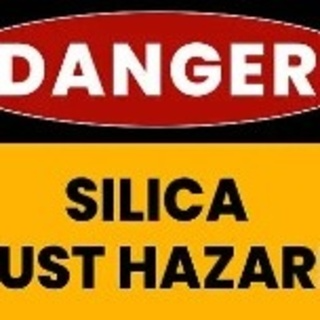
New Silica Resource Hub Launched
The Health in Construction Leadership Group has launched a new online resource hub providing free information and guidance on managing exposure to respirable crystalline silica (RCS) dust in the workplace.
Why It Matters
Exposure to RCS remains one of the most significant occupational health risks in construction, with activities such as cutting, drilling and grinding materials capable of generating hazardous dust. The new hub provides practical resources to help businesses understand the risks and implement effective control measures.
Key Message
Construction businesses should make use of the free resources available to help improve awareness, strengthen dust control measures and protect workers from long-term respiratory diseases.
Plans to Strengthen Commercial Sunbed Regulations
The Government has launched a consultation on proposals to strengthen the regulation of commercial sunbeds in England. The review has been prompted by concerns around under-age access and the health risks associated with exposure to ultraviolet (UV) radiation. The consultation closes on 14 August 2026.
Why It Matters
Exposure to UV radiation from sunbeds is associated with an increased risk of skin cancer and other health conditions. The proposed changes aim to provide greater protection for young people and vulnerable individuals, while ensuring operators of commercial sunbed facilities meet appropriate standards.
Key Message
Businesses operating commercial sunbeds should monitor the outcome of the consultation and be prepared for potential changes to regulatory requirements. The proposals reflect an ongoing focus on protecting public health and reducing exposure to preventable health risks.

Fit Note Scheme Under Review
Trials are underway in four areas of England to explore improvements to the fit note system, with the aim of helping people remain in work or return to work more quickly. The proposed approach involves support from both clinical and non-clinical professionals to help manage health-related barriers to employment.
Why It Matters
Long-term sickness absence continues to present challenges for both employers and employees. The trial reflects a growing focus on early intervention, workplace adjustments and wider support mechanisms to help individuals remain in productive employment where appropriate.
Key Message
The review of the fit note system highlights the increasing importance of proactive occupational health support and effective return-to-work arrangements. Employers should continue to focus on early engagement with employees and reasonable workplace adjustments to support recovery and retention.

Hot Weather Guidance for Events
New guidance has been published to help organisers manage health risks during public events held in hot weather. The guidance covers planning and control measures to help protect attendees, staff and volunteers during periods of high temperatures.
Why It Matters
Hot weather can increase the risk of dehydration, heat exhaustion and other heat-related illnesses, particularly at large outdoor events. Organisers should consider weather conditions as part of their event planning and ensure suitable welfare arrangements are in place.
Key Message
Event organisers should review their risk assessments and implement appropriate measures to protect people during periods of extreme heat, helping to ensure events remain safe and enjoyable for everyone

New Guidance for Oxy-Fuel Gas Equipment
The British Compressed Gases Association (BCGA) has published updated guidance on the safe use, selection and assembly of oxy-fuel gas equipment, including oxy-propane and oxy-acetylene systems. The publications cover portable and mobile cylinder supplies commonly used for welding, cutting and heating operations.
Why It Matters
Oxy-fuel equipment presents significant hazards, including fire, explosion, gas leaks and flashback incidents. The updated guidance helps businesses ensure equipment is correctly selected, assembled and used safely, reducing the risk of serious incidents during hot work activities.
Key Message
Businesses using oxy-fuel gas equipment should review the latest BCGA guidance and ensure employees are trained in the safe setup, inspection and operation of equipment. Proper equipment selection and maintenance remain essential for preventing fires and explosions.
Read more here and [http://TIS29 Oxy-fuel gas equipment. Selection and assembly. Revision 3: 2026 - BCGA]here
Major Incident & Prosecution Summaries
(Safety Alerts)
These cases highlight recurring failures that are entirely preventable.
Play Products Recalled Due to Asbestos Contamination
A number of children's play products, including play sand, have been recalled following concerns that they may be contaminated with asbestos. The recalls highlight the importance of robust product safety controls and supply chain assurance for products intended for public use.
Why It Matters
Although asbestos has been banned in the UK for many years, contamination can still occur through imported products or manufacturing processes. Exposure to asbestos fibres can present serious long-term health risks, making early identification and product recalls essential for protecting consumers.
Key Message
This incident serves as a reminder that hazardous substances can still enter supply chains. Businesses should ensure appropriate supplier due diligence, product testing and quality assurance processes are in place to help prevent potentially harmful products reaching the market.

Segregating Vehicles and Pedestrians
treamline Shipping Agencies Limited has been fined £146,700 after a yard operative suffered serious injuries when he was struck by a reversing forklift truck at Aberdeen Harbour. The HSE investigation found that loading and unloading activities were poorly organised, with pedestrians and vehicles operating in the same area at the same time.
Why It Matters
Workplace transport remains one of the leading causes of serious injuries and fatalities. This case highlights the importance of effective traffic management, particularly where forklifts, telehandlers and pedestrians share the same workspace. Poor segregation and inadequate planning can have devastating consequences.
Key Message
Businesses should ensure robust traffic management arrangements are in place, including clear segregation of vehicles and pedestrians, designated walkways and effective supervision of loading and unloading activities.

Another Fatal Reversing Vehicle Incident
A waste and recycling company in Cumbria has been fined £60,000 after an employee was struck and killed by a reversing telehandler. The prosecution follows another recent case involving a worker being seriously injured by a reversing forklift truck, highlighting the continuing risks associated with workplace transport operations.
Why It Matters
Being struck by moving vehicles remains one of the leading causes of fatal and serious workplace injuries. These incidents often involve inadequate segregation between pedestrians and vehicles, poor visibility, and ineffective traffic management arrangements.
Key Message
Businesses operating forklifts, telehandlers and other workplace vehicles should review their traffic management plans, ensure effective segregation of pedestrians and vehicles, and implement suitable controls to reduce reversing risks.

Skylight Fall Leads to Prosecution
JLM Solutions Limited has been fined £8,000 after a joiner suffered life-changing injuries when he fell through a skylight opening while carrying out work on a domestic property in Altrincham. The company pleaded guilty to breaching Regulation 13(1) of the Construction (Design and Management) Regulations 2015.
Why It Matters
Falls from height remain one of the leading causes of serious injury and death in the construction industry. Rooflights and skylights can be particularly hazardous if openings are left unprotected or not clearly identified during construction work.
Key Message
Contractors should ensure suitable work at height controls are in place, including protected openings, edge protection and effective supervision. Proper planning and risk assessment are essential to prevent falls and comply with CDM 2015 requirements.

Cable Strike Causes Serious Burns
City Fencing Contractors Limited has appeared in court after an employee suffered an electric shock and serious burns when a live underground cable was struck with a road breaker during fencing works.
Why It Matters
Striking underground services can result in serious injury, fatalities, service disruption and significant financial costs. This incident highlights the importance of properly identifying and locating buried services before excavation or ground-breaking activities commence.
Key Message
Businesses undertaking excavation or ground disturbance works should ensure suitable surveys, service drawings, cable avoidance tools and safe digging procedures are in place. Effective planning and permit-to-dig arrangements remain essential for preventing underground service strikes.
Heavy Component Falls Cause Life-Changing Injury
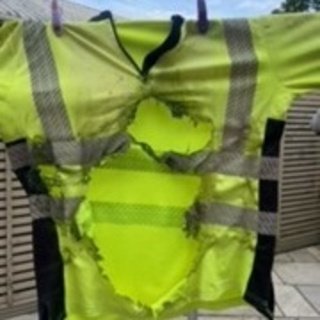
Siemens Gamesa Renewable Energy Ltd has been fined £600,000 after an employee was left paralysed when an 800kg component fell during the construction of a wind turbine blade. The HSE investigation identified failures relating to risk assessment, safe systems of work and training. The component fell after supports were removed prematurely.
Why It Matters
This incident demonstrates the potentially devastating consequences of inadequate temporary support arrangements when handling heavy components. Effective planning, clear procedures and engineering controls are essential to prevent components from moving or falling during assembly, maintenance or construction activities.
Key Message
Businesses involved in manufacturing, construction and engineering activities should ensure heavy components are adequately supported at all times and that safe systems of work prevent supports from being removed prematurely. Following the incident, Siemens introduced a system that locked supports in place until released by a nominated key holder, demonstrating how engineering controls can help prevent similar accidents.

Poor Planning Leads to Serious Injury
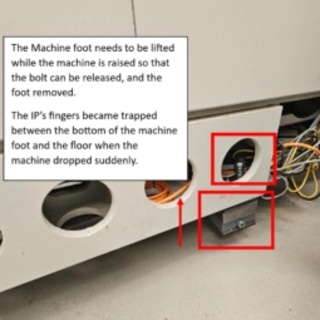
Winbro Group Technologies Ltd has been fined £170,000 after an employee lost two fingers during a lifting operation involving a three-tonne machine. The injury occurred when the forks of the forklift truck supporting the equipment unexpectedly dropped to the floor. The company was also ordered to pay costs of £7,999.
Why It Matters
Lifting operations can present significant risks if they are not properly planned, supervised and carried out by competent personnel. This incident demonstrates the potentially life-changing consequences of equipment failure and inadequate lifting arrangements when moving heavy loads.
Key Message
All lifting operations should be properly planned and risk assessed, with suitable equipment, competent operators and effective supervision in place. Ensuring loads remain secure throughout the operation is essential to preventing serious injuries.
Inadequate Guarding Leads to Serious Injury
SNW Limited has been fined £120,000 after an employee lost parts of three fingers when they reached into a hopper to clear a blockage and came into contact with moving blades. The HSE found that the machine guarding could be easily bypassed by removing a metal clip and rubber gaiter, resulting in a breach of Regulation 11 of the Provision and Use of Work Equipment Regulations 1998.
Why It Matters
Machinery guarding remains one of the most fundamental safety requirements in the workplace. Where guards can be easily removed or bypassed, workers may be exposed to dangerous moving parts, significantly increasing the risk of serious injury or amputation.
Key Message
Employers should ensure machinery guards are robust, effective and cannot be easily defeated. Regular inspections, maintenance and safe procedures for clearing blockages are essential to prevent contact with dangerous moving parts.
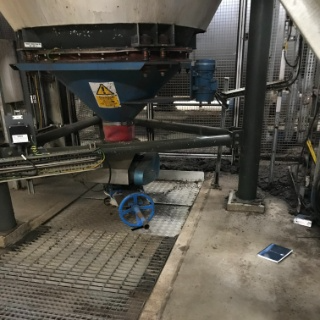
Guarding Failures Continue to Cause Serious Injuries
Power Plane Limited has been fined £92,450 after a worker's leg became entangled in the rotating drum of a road planing machine and had to be amputated. The HSE found that a protective bow, designed to prevent access to the dangerous moving parts, had not been fitted while the machine was in operation. The company pleaded guilty to breaching Regulation 11(1) of the Provision and Use of Work Equipment Regulations 1998 (PUWER).
Why It Matters
This case reinforces the importance of effective machinery guarding. Dangerous moving parts must be adequately guarded to prevent access during operation. The incident follows several recent prosecutions involving workers suffering serious injuries after coming into contact with unguarded or inadequately guarded machinery.
Key Message
Machinery guards and protective devices must always be fitted, maintained and used as intended. Employers should regularly inspect equipment, prevent guards from being bypassed or removed, and ensure employees are trained to recognise and report guarding defects.
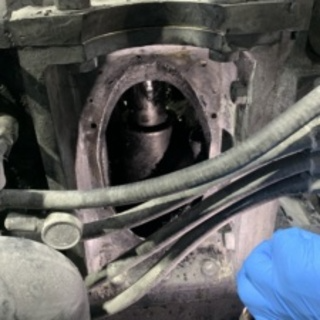
Worker Loses Both Legs in Excavator Incident
A waste management company has been fined £120,000 after a 24-year-old worker was crushed by a reversing 15-tonne excavator, resulting in the amputation of both legs. The investigation found that pedestrians had not been adequately segregated from moving plant, creating a significant risk of collision.
Key Message
The incident highlights the importance of effective traffic management, segregation of pedestrians and vehicles, and robust site controls to prevent serious workplace injuries involving mobile plant.

HSE Takes Action Over Radon Exposure
The HSE has authorised a Crown Censure against His Majesty's Prison and Probation Service following an investigation into radon exposure at HMP Dartmoor in Devon. The investigation found that insufficient action had been taken to control the risks associated with naturally occurring radon gas, resulting in prolonged overexposure for both prisoners and staff.
Why It Matters
Radon is a naturally occurring radioactive gas and is recognised as a significant cause of lung cancer. Certain areas of the UK, including parts of Devon, are known to have higher radon levels. This case highlights the importance of assessing and monitoring radon risks in affected areas and implementing appropriate control measures where elevated levels are identified.
Key Message
Employers and duty holders responsible for premises in radon-affected areas should ensure suitable radon assessments have been undertaken and that any necessary monitoring or remediation measures are in place. Occupational health risks can develop over long periods and should not be overlooked.

Unsafe Skip Storage Leads to Prosecution
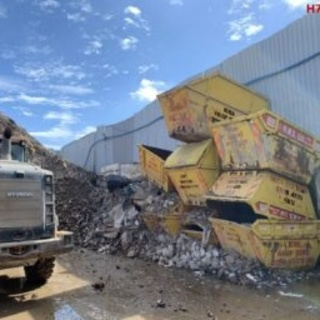
Recycled Material Supplies Limited has been fined £167,000 after the HSE identified unsafe conditions at a waste site in South-East London. The issues included unsafely stacked skips and inadequate segregation between vehicles and pedestrians. The company was also ordered to pay £16,195 in costs.
Why It Matters
Waste and recycling facilities often involve vehicle movements, heavy materials and constantly changing site conditions. Poorly stacked materials can collapse without warning, while inadequate segregation of pedestrians and vehicles significantly increases the risk of serious injury or fatality.
Key Message
Businesses should ensure skips, containers and materials are stored safely and that effective traffic management arrangements are in place. Clear segregation of vehicles and pedestrians remains one of the most important controls for preventing workplace transport incidents.
Overhead Power Line Contact Causes Serious Injury
Upton Specialist Tree Services Ltd has been fined £60,000 after a tree surgeon suffered a serious electric shock and internal burns when a lighting tower came into contact with an 11kV overhead power line during overnight works. The company admitted breaching Regulation 14 of the Electricity at Work Regulations 1989.
Why It Matters
Work near overhead power lines presents a significant risk of electrocution and serious injury. In this case, the HSE found that the hazards associated with the power lines had not been adequately recognised and no suitable precautions had been implemented to prevent contact.
Key Message
Before carrying out work near overhead power lines, businesses should identify electrical hazards, establish safe exclusion zones and implement suitable control measures. Effective planning and supervision are essential to prevent potentially fatal contact with live electrical infrastructure.
Driver Jailed After Fatal Video Call Crash
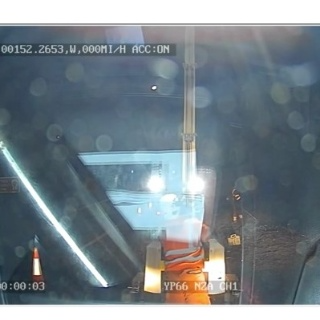
A lorry driver has been sentenced to 11 years' imprisonment after a fatal road traffic collision. Investigators found that he had used his mobile phone multiple times before the crash, including participating in a video call that was ongoing at the time of the incident.
Why It Matters
Driver distraction remains a major road safety risk. Using a mobile phone while driving can significantly reduce awareness, reaction times and the ability to respond to hazards, putting both the driver and other road users at risk.
Key Message
Employers with driving-at-work activities should ensure clear policies are in place regarding mobile phone use and reinforce the importance of remaining focused on the road at all times. No call or message is worth risking a life.

Online Training Portal

We offer a range of eLearning on our HSE Advisor online training portal including bundles!
The prices you see advertised will be discounted if you request them via info@hseadvisor.co.uk

Thank you for taking the time to read this month’s update.
If you need support with policies, training, audits, risk assessments, or anything else please get in touch with HSE Advisor Ltd.
Stay safe,
The HSE Advisor Ltd Team