
Jul 2026
Newsletter July 2026
Key Topic of the Month Occupational Health: The Next Big Enforcement Trend The HSE has demonstrated an increased focus on occupational health compliance, taking enforcement action where health surveillance was found to be inadequate.
Welcome Message
Welcome to July's newsletter.
Each month we bring you key legal developments, incident trends and enforcement action to help you stay compliant and protect your people.
Do you have anything specific you would like to find out more about - please let us know!
If you need support or practice guidance on implementing any of the topics below, keeping your place of work safe then our team at HSE Advisor Ltd is always here to help.
Email us at: info@hseadvisor.co.uk
Key Topic of the Month
Occupational Health: The Next Big Enforcement Trend
The HSE has demonstrated an increased focus on occupational health compliance, taking enforcement action where health surveillance was found to be inadequate. The move reinforces the importance of ensuring that health surveillance programmes are carried out by competent personnel and supported by effective management systems
Why It Matters
Many organisations focus heavily on preventing accidents but pay less attention to occupational health risks such as dust exposure, noise-induced hearing loss, vibration, respiratory conditions and occupational dermatitis. Regulators are increasingly scrutinising how businesses manage these long-term health risks and whether health surveillance arrangements are effective
Key Requirements
Clean and accessible toilets.
Washing facilities with hot and cold water.
Rest areas and welfare accommodation.
Facilities available from the start of the project.
Key Message
Occupational health should receive the same level of attention as workplace safety. Businesses should review their health surveillance arrangements, ensure assessments are carried out by competent providers and confirm that workplace health risks are being effectively monitored and managed


Trend Spotlight
"Investing in Competence and Compliance"
Over the past month, we have seen a significant increase in organisations focusing on workforce competence, compliance accreditation and occupational health management. As businesses continue to navigate changing client requirements and procurement expectations, there has been a clear emphasis on strengthening competence frameworks, upgrading certifications and ensuring employees have the appropriate skills, equipment and support to carry out their roles safely.
This month we've seen increased demand for:
Training matrix reviews and employee training requirements
Occupational health referrals, including safety footwear assessments
PQQ and SSIP questionnaire completions
Certification upgrades and accreditation support
Competency management and workforce development
Compliance evidence reviews for tenders and audits
What this tells us
Businesses are placing greater emphasis on demonstrating competence, maintaining compliance credentials and ensuring suitability for both existing and future contracts. Many clients are taking proactive steps to improve workforce capability, enhance accreditation status and strengthen their position during procurement and audit assessments.
If your organisation would like support with any of these areas, we can schedule an on-site or virtual meeting.

Legislation Update:
Proposed Two-Week Deadline for Reasonable Adjustments.
The Work and Pensions Committee has proposed a new legal requirement that would require employers to respond to requests for reasonable adjustments from disabled employees within two weeks. The proposal follows concerns that the current average response time is around four months. The Committee has also suggested that employers should be required to provide reasons when a request for reasonable adjustments is refused.
Why It Matters
If implemented, the proposal would place greater emphasis on supporting disabled employees and ensuring workplace adjustments are considered and communicated within a reasonable timeframe. It reflects a broader focus on workplace inclusion, employee wellbeing and removing barriers to employment for disabled workers.
Key Message
Although the proposal is not currently law, employers should review their existing processes for managing reasonable adjustment requests. Having clear procedures in place can help ensure requests are handled consistently, promptly and fairly while supporting an inclusive workplace culture.

HSE News & Updates
Hot Weather Action
The HSE has reminded employers of the importance of managing risks associated with extreme heat and protecting workers during periods of high temperatures. Employers are encouraged to review risk assessments and consider practical measures such as increasing the number of breaks, providing cool rest areas, ensuring drinking water is readily available, providing shade where possible and adjusting workplace dress codes where appropriate. The HSE has also highlighted the importance of monitoring weather forecasts and planning work activities accordingly
Why It Matters
Heat stress can cause dehydration, heat exhaustion and, in severe cases, heat stroke. Workers undertaking physically demanding activities, outdoor work or tasks requiring PPE may be particularly vulnerable during periods of hot weather. Employers should ensure suitable controls are implemented to reduce the risk of heat-related illness and maintain worker wellbeing
Key Message
As temperatures increase, organisations should review their existing arrangements for managing heat-related risks and ensure employees understand the signs and symptoms of heat stress. Proactive planning can help prevent illness, improve wellbeing and maintain productivity during warmer periods.
Ideas to reduce the risk:
ensure that cooling systems are working optimally
increase numbers of breaks
offer more PPE changes
readily available drinking water
cool area to take breaks
ensure staff are aware of the measures they should take to reduce heat stress
monitor weather forecast and plan ahead. Consult the Adverse Weather and Health Plan for England.

School Holidays Prompt Construction Site Security Reminder
The HSE has issued a reminder to construction companies to review site security arrangements during the school holidays, when the risk of unauthorised access and child trespass increases. Employers are encouraged to ensure sites are properly secured and that hazards cannot be easily accessed by members of the public.
Why It Matters
Construction sites contain numerous hazards, including excavations, plant, scaffolding, vehicles and hazardous substances. During school holidays, curiosity and increased outdoor activity can significantly increase the risk of children entering unsecured sites. Failure to adequately secure a site can result in serious injury or fatality, as well as enforcement action against duty holders.
Key Message
Construction companies should take proactive steps to prevent unauthorised access by ensuring:
Perimeter fencing and hoarding are in good condition with no gaps.
Site boundaries are inspected regularly.
Hazardous substances are securely locked away.
Plant and vehicles are immobilised when not in use.
Excavations are covered or securely fenced.
Stored materials are stable and cannot be easily moved or toppled.
Access ladders are removed from scaffolds and excavations outside working hours.
Fire Safety & Building Regulations
Building Control Applications for Higher-Risk Buildings
The Construction Leadership Council has published updated advice and templates to support Building Control applications for new Higher-Risk Buildings in England. Higher-Risk Buildings are defined as buildings that are at least 18 metres in height, or seven storeys, and contain at least two residential units.
Why It Matters
The updated guidance is intended to help duty holders prepare clearer and more consistent Building Control applications under the Building Safety Regime. For organisations involved in the design, construction or management of Higher-Risk Buildings, the guidance provides useful support when demonstrating that building safety requirements have been properly considered.
Key Message
Duty holders working on Higher-Risk Buildings should review the latest Construction Leadership Council guidance and ensure their Building Control submissions are supported by suitable information, evidence and competent input.
Competence Management in Construction
New guidance titled “Setting Expectations on Competence Management” has been made available through the BSI competence hub. The guidance explains how organisations can meet competence management expectations under Part 2A of the Building Regulations 2010 and the Higher-Risk Buildings (Management of Safety Risks etc.) (England) Regulations 2023.
Why It Matters
Competence management remains a key part of the Building Safety Regime. Organisations must be able to demonstrate that individuals and organisations involved in building work have the appropriate skills, knowledge, experience and behaviours for the roles they undertake.
Key Message
Businesses involved in construction and building safety should review their competence arrangements and ensure they can evidence how roles, responsibilities and capability are managed across projects.

Guidance and Updates
Mental Health in Construction
Mental Health in Construction
The Construction Leadership Council has published a Mental Health Joint Code of Practice (JCOP), providing guidance to help construction leaders create healthier and more supportive working environments for their workforce.
Why It Matters
Mental health continues to be a significant challenge across the construction sector. Strong leadership, supportive workplace cultures and early intervention can help improve wellbeing, reduce absence and enhance overall safety performance.
Key Message
Employers should review their mental health arrangements and consider how they can better support employee wellbeing both on site and in the workplace.

Fit Note Reform Pilot
Following a review of the current fit note system, the Government has announced pilot schemes in four areas of England aimed at improving support for individuals returning to work or remaining in employment following illness. The review found concerns around the effectiveness of the existing system, including limited understanding of workplace requirements and a lack of occupational health involvement.
Why It Matters
The pilot reflects a growing emphasis on supporting workers through rehabilitation, workplace adjustments and early intervention. Employers may see increased collaboration between healthcare professionals, occupational health providers and employers to facilitate a more effective return-to-work process.
Key Message
Organisations should continue to focus on proactive sickness absence management, workplace adjustments and occupational health support to help employees remain in work wherever possible.

New Duties for Damp and Mould Repairs in Scotland
The Investigation and Commencement of Repair (Scotland) Regulations 2026 introduce new duties for Scottish landlords across all residential tenures to investigate reports of damp and mould and begin repairs within specified timescales.
Why It Matters
The regulations reflect increasing regulatory focus on housing conditions, indoor environmental quality and the health impacts associated with damp and mould. Landlords will be required to respond more promptly to reported issues and ensure appropriate remedial action is taken within defined timescales.
Key Message
Although the legislation applies to Scotland, it continues the wider UK trend of strengthening standards around property maintenance, occupant health and building management. Landlords and housing providers should review their reporting, inspection and repair processes to ensure compliance with the new requirements.

Road Casualties in Great Britain
Provisional statistics for 2025 show a mixed picture for road safety across Great Britain. While the number of road fatalities fell slightly to 1,556, the total number of people killed or seriously injured increased by 4% to 29,911. Motorcycle users experienced a particularly significant rise in fatalities, increasing by 13% to 384 deaths. Men continued to account for the majority of road deaths (77%) and injuries (61%).
Why It Matters
Many organisations have employees who drive for work, whether operating company vehicles, travelling between sites or commuting as part of their role. These figures highlight the continued importance of effective driver safety management, vehicle checks, journey planning and reducing distractions behind the wheel. Motorcycle users and those operating vehicles in higher-risk environments remain particularly vulnerable.
Key Message
Organisations should regularly review their driving-at-work arrangements, ensure drivers are competent and properly trained, and continue to promote safe driving behaviours. Road risk remains one of the most significant occupational health and safety hazards facing UK businesses.

BS EN ISO 9000:2026 Published
The fifth edition of BS EN ISO 9000:2026 – Quality Management: Fundamentals and Vocabulary has been published, replacing the 2015 edition following a series of technical updates. The standard provides the core principles, concepts and terminology used throughout quality management systems and supports the effective implementation of ISO-based management standards.
Why It Matters
ISO 9000 forms the foundation of the ISO 9001 quality management framework and helps organisations understand the language and principles that underpin quality management systems. The updated edition includes several amendments and refinements to ensure the terminology remains aligned with modern business practices and management system requirements.
Key Message
Organisations certified to ISO 9001, or those considering certification, should familiarise themselves with the updated standard to ensure a consistent understanding of quality management principles and terminology across the business.

BS EN ISO 9000:2026 Published
A draft version of BS EN ISO 45001:2026 – Occupational Health and Safety Management Systems: Requirements with Guidance for Use has been released for public consultation. The consultation period runs until August 2026, providing organisations and industry professionals with an opportunity to review and comment on the proposed changes before publication.
Why It Matters
ISO 45001 is the internationally recognised standard for occupational health and safety management systems and is widely adopted by organisations across all sectors. Any future revisions may impact how businesses manage occupational health and safety risks, demonstrate compliance and maintain certification. Reviewing proposed changes early can help organisations prepare for future updates and understand any implications for their existing management systems.
Key Message
Organisations certified to ISO 45001, or considering certification, should monitor the proposed changes and consider participating in the consultation process. Early awareness of forthcoming revisions can help businesses prepare for future requirements and maintain effective health and safety management arrangements.

BS EN ISO 9000:2026 Published
The fourth edition of BS EN ISO 19011:2026 – Guidelines for Auditing Management Systems has been published, providing updated guidance for organisations and auditors responsible for auditing management systems. The revised standard reflects the increasing use of technology within the audit process and introduces guidance covering remote auditing methods, data analytics, artificial intelligence, automation and the use of drones.
Why It Matters
As auditing practices continue to evolve, auditors are expected to demonstrate competence in the technologies they use and understand the risks associated with remote auditing. The updated guidance also recognises potential challenges around data collection, cybersecurity, audit programme integrity and observer participation, helping organisations ensure audits remain effective and reliable.
Key Message
Organisations operating certified management systems should familiarise themselves with the updated guidance, particularly where remote auditing techniques or technology-assisted audits are being used. Understanding both the opportunities and risks associated with these methods will help maintain robust and effective audit programmes.

Major Incident & Prosecution Summaries
(Safety Alerts)
These cases highlight recurring failures that are entirely preventable.
Flooded Excavations Lead to Fatality
A construction company has been fined after a labourer died while crossing a development site at night. The investigation found that exposed excavations filled with water had not been adequately protected, creating a significant danger to both workers and members of the public. The company was fined £20,000 for breaching Regulation 22(2) of the Construction (Design and Management) Regulations 2015.
Safety Alert
Excavations should always be adequately protected, clearly marked and regularly inspected. Particular attention should be given to site security and preventing unauthorised access outside working hours.

Missing Machine Guard Results in Life-Changing Injury
Bateman Skips Ltd was prosecuted after an employee’s arm was drawn into an unguarded conveyor belt, causing life-changing injuries. The HSE found that the tail end of the conveyor had not been properly guarded. The company was fined £64,666 plus costs for breaches of the Health and Safety at Work etc. Act 1974 and PUWER 1998.
Safety Alert
Machine guards should never be removed, bypassed or left unrepaired. Regular inspections and maintenance are essential to prevent contact with dangerous moving parts.

UK Athletics Fined Following Corporate Manslaughter Conviction
UK Athletics has been fined £350,000 following the death of Paralympian Abdullah Hayayei, who was fatally injured when a poorly secured 200kg discus cage collapsed during strong winds. The investigation found missing stabilising base plates and long-standing equipment deficiencies.
Safety Alert
Equipment used for sporting, lifting or public activities should be subject to routine inspections and maintenance. Defects identified during inspections must be addressed promptly to prevent catastrophic failures.

Trench Collapse Leads to Suspended Prison Sentence
A company director received a six-month suspended prison sentence after a trench collapse left a worker with life-changing injuries. The investigation revealed significant failings in excavation safety and a failure to report the incident under RIDDOR
Safety Alert
Excavations should never be entered unless suitable support systems, inspections and safe systems of work are in place. Collapses can occur without warning and often result in severe injuries or fatalities.
ft unprotected or not clearly identified during construction work.

HS2 Contractor Fined After Tipper Truck Incident
SCS Railways was fined £400,000 after a 20-tonne tipper truck overturned on the HS2 project. The HSE identified failings in traffic management, route planning and site controls, with vehicles operating close to unsupported excavations and unprotected edges.
Safety Alert
Traffic management plans should be reviewed whenever site layouts change. Vehicle routes must be clearly marked and separated from hazardous excavation areas wherever possible.
Electrocution Caused by Defective Floodlight
A leisure company was fined after a footballer was fatally electrocuted by a floodlight with an electrical fault. Investigators found dangerous wiring had been present for years and that a previous electric shock incident had occurred just one month before the fatality.
Safety Alert
Electrical installations should be routinely inspected, tested and maintained. Any electrical faults or reports of electric shock must be investigated and addressed immediately.
Occupational Health Failures Lead to Fine
Samson Containers Ltd was fined £30,000 after exposing workers to welding fumes and excessive noise levels. The HSE found failings in health surveillance arrangements, including the absence of hearing tests for workers who required them.
Safety Alerts
Occupational health risks such as noise and welding fumes can cause long-term health problems. Employers should ensure adequate exposure controls and health surveillance arrangements are implemented and maintained.
Pallet Manufacturer Fined After Machinery Incident
James Jones & Sons (Pallets and Packaging) Limited was fined £172,000 after an employee's arm became trapped in a pallet processing machine. The investigation found ineffective controls around restricted areas and damaged fencing that allowed access to dangerous machinery.
Safety Alerts
Restricted access areas should be physically secured and regularly inspected. Safety-critical fencing and guarding should not rely solely on visual checks.
Temporary Works Collapse Causes Serious Injuries
Roots Contractors Limited and Diacutt Limited were fined after a temporary platform collapsed onto a worker, causing neck and back fractures, a brain bleed and permanent health damage. The HSE found inadequate design, supervision and temporary works management arrangements.
Safety Alerts
Temporary works should always be designed, checked and monitored by competent persons. Load limits and safe working methods must be communicated clearly to site personnel.
Industrial Door Maintenance Fatality
GNW 2023 Realisations Limited was fined £400,000 after a maintenance worker was killed while re-tensioning springs on an electrically operated industrial door. The HSE identified poor maintenance arrangements, a lack of risk assessment and no suitable safe system of work.
Safety Alerts
Maintenance activities should only be carried out by competent personnel using suitable procedures, equipment and controls. High-risk maintenance work requires specific training and planning.
Internal Fall Risks Result in Fatality
Lima Construction Limited was fined after a worker fell through an internal opening and died. The investigation found that damaged windows had left openings unprotected and required scaffold inspections had not been carried out.
Safety Alerts
Work at height controls should address both external and internal fall risks. All openings should be protected and regularly inspected throughout the project.
Skylight Fall Highlights Fragile Roof Risks
A principal contractor and scaffolding contractor were fined after a worker fell through a fragile skylight, suffering serious injuries. The skylights were difficult to identify and no suitable precautions had been implemented to prevent a fall.
Safety Alerts
Fragile roofs and skylights must be identified during planning and protected using suitable covers, barriers or fall prevention systems before work begins.
CITB Test Fraud Investigation
Three individuals have been sentenced after helping more than 500 candidates cheat construction health and safety exams at a test centre in Essex
Safety Alerts
Competence remains a cornerstone of construction safety. Employers should continue to verify qualifications, training records and competency assessments to ensure workers are suitably qualified for their roles.
electrical infrastructure.
Online Training Portal
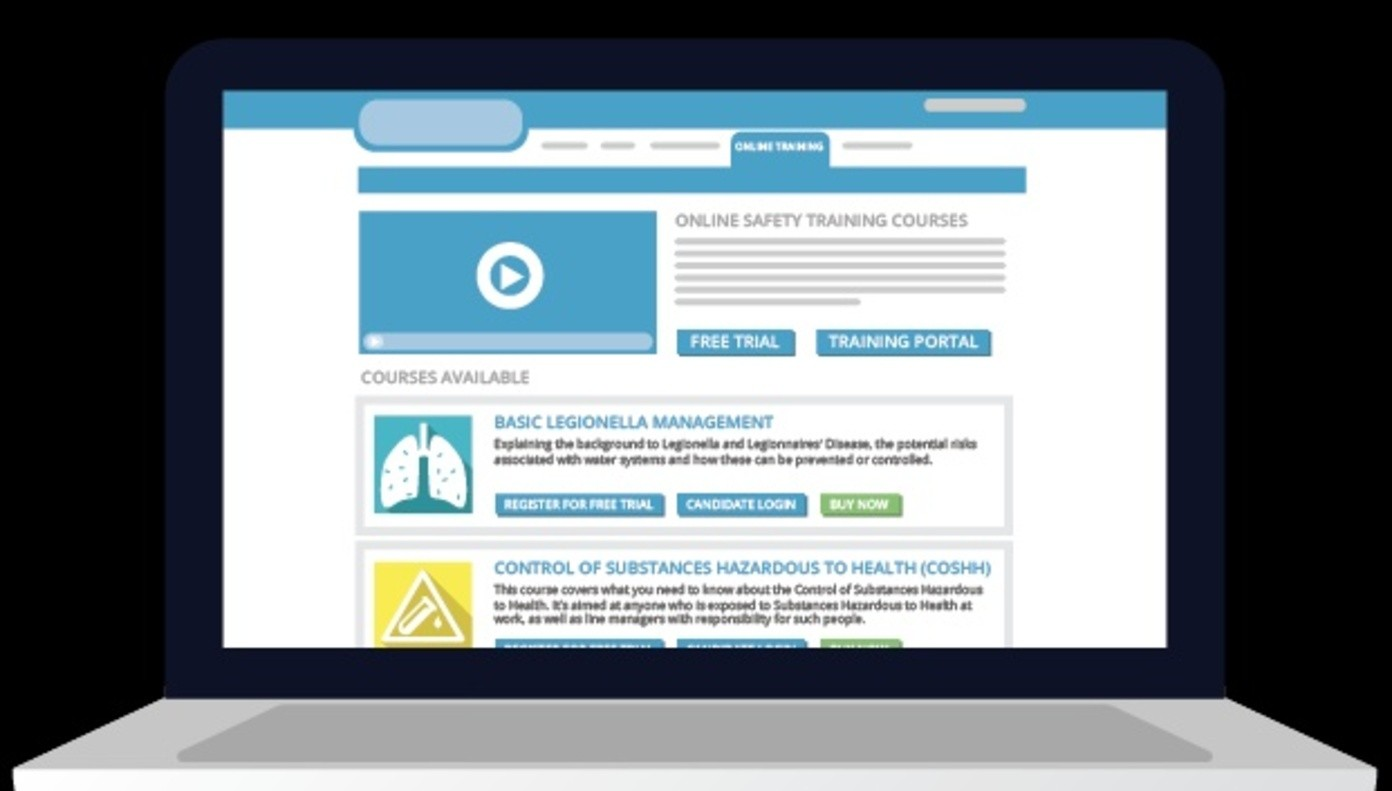
We offer a range of eLearning on our HSE Advisor online training portal including bundles!
The prices you see advertised will be discounted if you request them via info@hseadvisor.co.uk

Thank you for taking the time to read this month’s update.
If you need support with policies, training, audits, risk assessments, or anything else please get in touch with HSE Advisor Ltd.
Stay safe,
The HSE Advisor Ltd Team