
Aug 2026
Newsletter August 2026
Welcome to August's newsletter. Each month we bring you key legal developments, incident trends and enforcement action to help you stay compliant and protect your people.
Welcome Message
Welcome to August's newsletter.
Each month we bring you key legal developments, incident trends and enforcement action to help you stay compliant and protect your people.
Do you have anything specific you would like to find out more about - please let us know!
If you need support or practice guidance on implementing any of the topics below, keeping your place of work safe then our team at HSE Advisor Ltd is always here to help.
Email us at: info@hseadvisor.co.uk
Key Topic of the Month
Work at Height: The UK's Most Persistent Workplace Killer
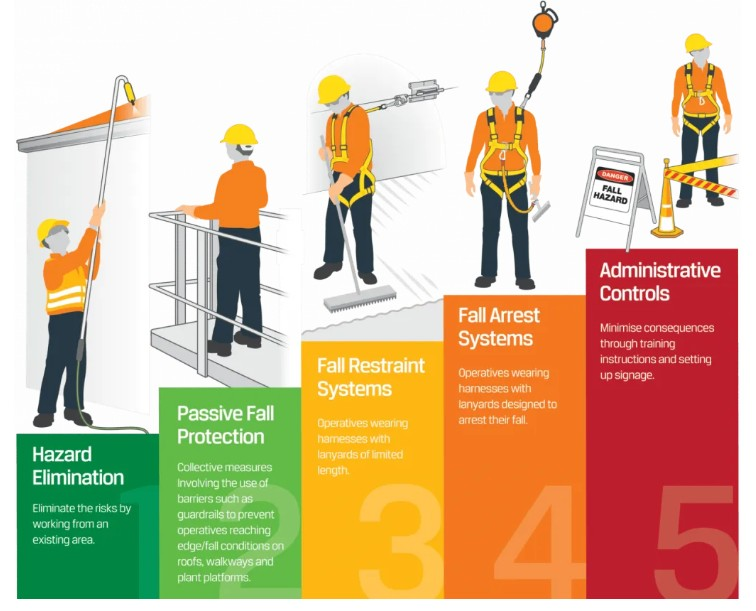
The latest HSE statistics show that falls from height remain the single biggest cause of workplace fatalities in Great Britain, accounting for more deaths than any other workplace accident type. This month's enforcement activity reinforces that message, with multiple prosecutions involving falls from roofs, loading ramps, scaffold towers, unprotected edges and improvised work platforms.
Why It Matters
Many of the incidents featured in this month's newsletter involved relatively routine tasks where established safety controls either did not exist or were not followed. These cases demonstrate that serious injuries and fatalities continue to occur when work at height is not properly planned, supervised or equipped.
Recent prosecutions involved:
A logistics company fined £425,000 following a fatal fall from a loading ramp.
A school caretaker seriously injured after falling from a roof while retrieving footballs.
A construction worker suffering life-changing injuries where edge protection was not provided.
A worker falling from a bucket attached to a forklift truck being used as an improvised work platform.
Members of the public seriously injured when an unstable scaffold tower collapsed.
Key Requirements
Avoid work at height where reasonably practicable.
Ensure work is properly planned and supervised.
Select suitable access equipment for the task.
Provide edge protection, guard rails or fall prevention systems where required.
Ensure workers are trained and competent.
Inspect and maintain access equipment regularly.
Never improvise work platforms or bypass safety arrangements.
Key Message
Work at height remains one of the most significant risks faced by UK businesses. Employers should review work at height activities, verify that suitable controls are in place and ensure employees have the training, supervision and equipment required to work safely. Many of this month's enforcement cases could have been prevented through the application of basic, well-established safety principles.
Trend Spotlight
"Supporting Change, Compliance and Workforce Development"
Over the past month, we have seen a noticeable increase in organisations seeking support with workforce development, compliance management and organisational change. As businesses continue to respond to evolving client requirements, growth opportunities and internal restructuring, there has been a strong focus on ensuring employees remain competent, compliance standards are maintained and business processes continue to operate effectively.
This month we've seen increased demand for:
Mandatory and best practice health and safety training requirements
Site audits, inspections and compliance reviews
Quantity surveying support and project cost management
HR support relating to organisational change
Employee onboarding and induction processes
TUPE transfers and workforce transition advice
Redundancy consultation support and compliance guidance
Workforce competence and training matrix reviews
What this tells us
Organisations are increasingly focusing on strengthening internal processes and ensuring they have the right people, systems and competencies in place to meet both operational and compliance requirements. We are seeing many businesses take proactive steps to improve workforce capability, maintain compliance standards and manage organisational change in a structured and compliant manner.
Key Message
Effective compliance is about more than health and safety. Businesses are increasingly recognising the value of robust training programmes, regular site inspections, competent workforce planning and strong HR processes to support sustainable growth and operational success.
If your organisation would like support with training requirements, site inspections, quantity surveying services or HR-related compliance matters, HSE Advisor Ltd can provide practical support through on-site or virtual consultations.

Legislation Update:
Machinery Safety Regulations Set for Major Update
Draft regulations have been laid before Parliament that will modernise UK machinery safety legislation and align requirements more closely with the latest European standards. The Supply of Machinery (Safety) (Amendment etc.) and the EU Machinery Regulation (Enforcement etc. in Northern Ireland) Regulations 2026 are expected to come into force in January 2027. Once implemented, the regulations will enable the UK to match the latest machinery safety requirements in Europe and accommodate advances in technology, including increased automation and intelligent machinery systems
Why It Matters
As machinery becomes increasingly automated and technologically advanced, safety legislation must evolve to address emerging risks. Manufacturers, importers, suppliers and organisations that operate machinery will need to understand how future requirements may impact procurement decisions, machinery modifications, risk assessments and compliance arrangements. The proposed changes reflect a wider move towards safer design principles and greater integration of safety controls within modern equipment.
Key Message
Although the regulations are not expected to take effect until January 2027, businesses involved in manufacturing, engineering, automation and machinery procurement should begin monitoring developments now. Early awareness can help organisations prepare for future compliance requirements and ensure machinery safety standards remain aligned with evolving legislation

HSE News & Updates
Fatal Workplace Accident Statistics Published
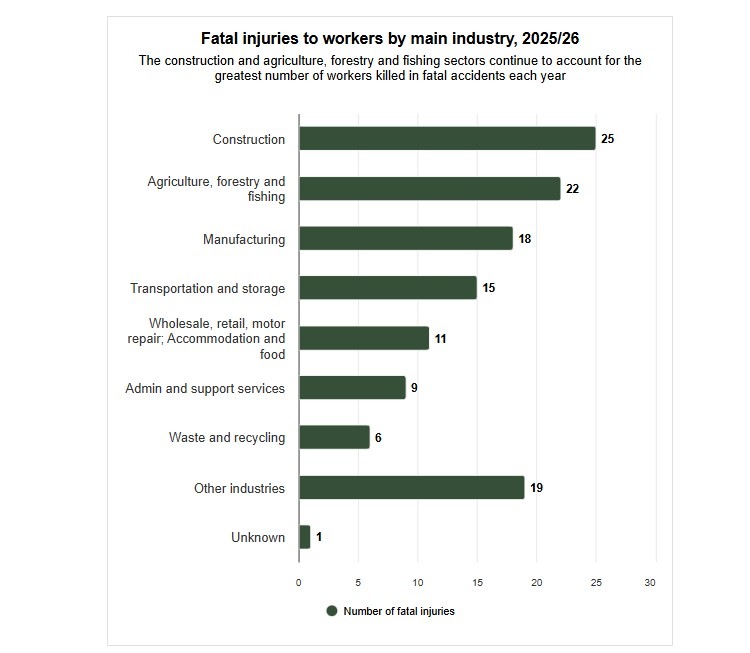
The HSE has released its latest annual fatal accident statistics, showing that 126 workers were killed in work-related accidents in Great Britain during 2025/26. Falls from height remain the most common cause of fatal workplace accidents, followed by workers being struck by moving vehicles and moving objects
Why It Matters
The latest statistics demonstrate that many fatal incidents continue to arise from well-known workplace hazards. Despite ongoing awareness campaigns and established control measures, falls from height, workplace transport incidents and moving machinery continue to cause avoidable loss of life across multiple sectors.
Key Message
Businesses should continue to focus on the fundamentals of health and safety management, ensuring that effective controls, supervision and safe systems of work are in place for high-risk activities such as work at height, workplace transport and machinery operations.
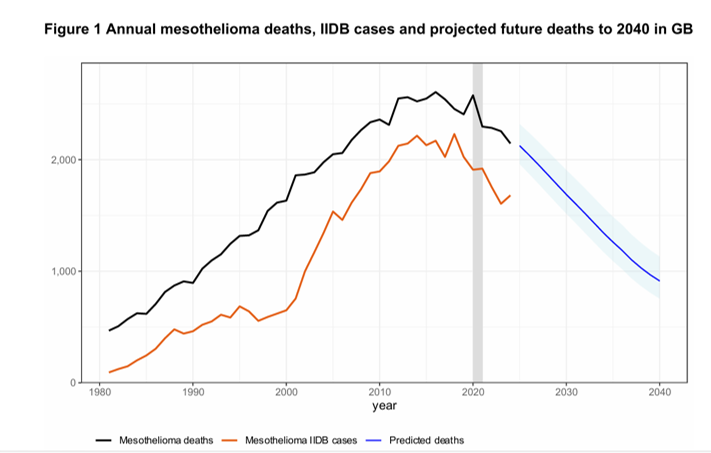
Mesothelioma Deaths Continue to Exceed 2,000 Per Year
Mesothelioma is a type of cancer specifically linked to asbestos exposure. Although the number of deaths has started to decline, more than 2,000 people continue to die each year from the disease. Construction workers and tradespeople remain particularly at risk due to exposure to legacy asbestos-containing materials within buildings constructed before 2000.
Why It Matters
While asbestos has been banned for many years, it remains present in a significant number of existing buildings. Refurbishment, maintenance and demolition activities can all result in exposure where appropriate asbestos management arrangements are not in place
Key Message
Duty holders should ensure asbestos surveys, management plans and awareness training remain current and reviewed regularly. Any work on older buildings should be properly assessed to identify and manage potential asbestos risks before work begins.
Fire Safety & Building Regulations
Wildfires Present Growing Risk to Businesses
Wildfires continue to affect countryside, businesses and urban areas across the UK. Within the fire safety sector, there has been increased focus on the importance of maintaining exterior areas of buildings to reduce the potential for fire spread. Businesses are advised to control overhanging vegetation, keep grassed areas short and remove external debris to reduce the likelihood of nearby fires spreading to buildings.
Why It Matters
External fire risks are often overlooked during fire risk assessments, yet unmanaged vegetation and combustible materials can significantly increase the likelihood of fire spread to business premises. As prolonged periods of hot and dry weather become more common, wildfire risks are becoming a greater consideration for property owners and facilities managers.
Key Message
Organisations should review the external areas surrounding their premises and ensure suitable housekeeping arrangements are in place. Vegetation management, waste control and maintaining defensible space around buildings can play an important role in reducing fire risks.
What May Happen if Enforcement Action is Taken Under the Fire Safety Order?
The Home Office has published a new guide, "Fire Safety Order: Enforcement and Sanctions for Non-compliance", explaining how the Regulatory Reform (Fire Safety) Order 2005 is enforced and the consequences of failing to meet legal requirements.
Why It Matters
Many duty holders are familiar with their fire safety responsibilities but are less aware of the enforcement powers available to Fire and Rescue Authorities. The guidance explains the different types of enforcement notices that may be issued, the appeals process, offences that can lead to prosecution, and who can be held personally responsible for breaches. It is particularly relevant for facilities managers, building owners, responsible persons and senior managers who may be involved during fire authority inspections.
Key Message
Understanding how fire safety legislation is enforced is just as important as understanding the requirements themselves. Organisations should ensure they have suitable fire risk assessments, effective fire safety arrangements and clear management responsibilities in place to avoid enforcement action and potential prosecution.
Corrosion Beneath Fireproofing
The HSE has raised concerns about hidden degradation occurring beneath fireproofing coatings on structures, pipework and vessels. Corrosion beneath fireproofing can develop unseen over extended periods and may ultimately lead to structural failure or loss of integrity without obvious warning signs. The HSE is currently seeking input from organisations and individuals with experience or evidence in this area to support its latest research project.
Why It Matters
Many businesses operating industrial facilities, manufacturing sites, energy infrastructure and large-scale process equipment rely on fireproofing systems to protect critical assets. However, corrosion can develop beneath these protective coatings and remain undetected during routine visual inspections. If left unmanaged, this hidden deterioration can compromise structural integrity, increase maintenance costs and potentially create significant safety risks.
Key Message
Organisations responsible for ageing structures, process plant, pipework and pressure systems should consider whether corrosion beneath fireproofing could present a risk within their operations. Inspection, maintenance and asset management programmes should be reviewed to ensure hidden degradation risks are identified and managed appropriately.

Guidance and Updates
Construction: Re-thinking Hot Works
The Construction Industry Advisory Committee (CONIAC) has published new Flame-Free Guidance to help the construction industry reduce the risks associated with hot works. The guidance encourages designers, contractors and clients to consider alternative methods and materials that eliminate the need for open flames and heat-producing processes wherever possible.
Why It Matters
Hot works remain one of the leading causes of fires on construction sites and in completed buildings. Activities such as welding, cutting, grinding and torch-applied roofing can create ignition sources capable of causing serious fires, property damage and business disruption. The new guidance promotes a proactive approach by designing out these risks at the planning stage rather than relying solely on control measures during the work.
Key Message
Where reasonably practicable, construction projects should consider flame-free alternatives to traditional hot works. Eliminating ignition sources at the design and planning stage can significantly reduce fire risks, improve safety and minimise the potential for costly incidents.

Will There Be a Maximum Workplace Temperature?
Recent heatwaves have focused attention on how the UK adapts to rising temperatures. The Climate Change Committee has recommended consideration of a maximum workplace temperature, together with potential requirements for air conditioning in hospitals and care homes. At present, there are no confirmed plans to introduce these measures into legislatio
Why It Matters
Periods of extreme heat can increase the risk of dehydration, heat exhaustion, heat stress and reduced concentration, all of which can negatively impact both worker wellbeing and safety performance. Climate-related challenges are increasingly influencing discussions around future workplace health and safety requirements.
Key Message
Employers should continue to review arrangements for managing heat-related risks and ensure suitable controls are in place during periods of hot weather, including providing drinking water, rest breaks and appropriate welfare facilities.

Beware the Dangers of Refrigerant Gases in Air Conditioning Equipment
The Building Engineering Services Association (BESA) has raised concerns that certain air conditioning and heat pump systems requiring professional installation are being sold online directly to members of the public. These systems often contain refrigerant gases regulated under the F-Gas regime, which requires handling by suitably qualified individuals.
Why It Matters
Refrigerant gases can pose significant environmental and safety risks if equipment is installed, maintained or decommissioned incorrectly. The F-Gas regime exists to ensure that individuals working with these systems are properly trained and competent to handle refrigerants safely. BESA has highlighted concerns that some suppliers are bypassing these requirements by selling equipment to customers without verifying that a qualified installer will be used.
Key Message
Businesses purchasing air conditioning or heat pump equipment should ensure installation is undertaken by a competent F-Gas certified engineer or contractor. Verifying qualifications before installation helps ensure legal compliance, protects safety and reduces the risk of refrigerant leaks and environmental harm.

Allergy Management in Schools
The Department for Education has published new statutory guidance on supporting pupils with allergies, including allergies to foods, insect stings and other substances. The guidance applies to local-authority-maintained schools, academies, special schools and pupil referral units, although nursery schools and independent schools are excluded. Areas covered include allergy policies, staff training, incident management procedures, Individual Healthcare Plans and the provision and use of adrenaline pens.
Why It Matters
Allergic reactions can develop rapidly and, in severe cases, may become life-threatening. Having clear arrangements in place for identifying, managing and responding to allergies is essential to protecting pupils and ensuring staff are prepared to respond effectively in an emergency. The publication of statutory guidance reflects the growing importance being placed on allergy management within educational settings.
Key Message
Schools should review their existing allergy management arrangements, ensure staff receive appropriate training and confirm that emergency procedures are understood and regularly tested. Effective planning and communication can help reduce risks and improve outcomes for pupils with allergies

Awaab's Law Extended to Additional Housing Hazards
The Hazards in Social Housing (Prescribed Requirements) (England) Regulations 2025, commonly referred to as Awaab's Law, are being expanded beyond damp and mould concerns. The legislation is being extended to cover other serious housing hazards, including fire safety and electrical safety risks. The guidance also introduces strict timescales for landlords to investigate and respond to complaints.
Why It Matters
The expansion of Awaab's Law reflects an increasing regulatory focus on tenant safety and property standards. Social landlords and housing providers will need to demonstrate effective arrangements for identifying, investigating and responding to serious safety concerns within prescribed timescales.
Key Message
Housing providers should review existing maintenance, inspection and complaint-handling procedures to ensure that hazards are identified quickly and addressed within the required timescales. Effective record keeping and prompt corrective action will be essential for demonstrating compliance.

Major Incident & Prosecution Summaries
(Safety Alerts)
These cases highlight recurring failures that are entirely preventable.
Cement Company Fined £1 Million
A cement company has been fined £1 million after an employee was fatally crushed by machinery at a cement bagging plant. The worker was killed by a 1.6-tonne concrete weight after accessing a dangerous area that should have been protected by fencing. The company pleaded guilty to breaching Section 2(1) of the Health and Safety at Work etc. Act 1974 and was also ordered to pay £9,621 in costs.
Safety Alert
This incident highlights the importance of maintaining effective machinery guarding and access controls. Safety-critical barriers, fencing and guarding systems should never be removed or left unrepaired, and access to dangerous machinery should be strictly controlled through regular inspections, supervision and maintenance programmes.

Instruction to Not Wear Seatbelts Led to Serious Injury
Groundworks company Jim Yates Limited has appeared in court following a serious accident involving an overturned dumper truck. A 27-year-old driver was thrown from the vehicle when it entered an unprotected excavation and overturned, suffering serious crush injuries including a broken foot and ankle. The investigation found that workers had been instructed to override the dumper's safety mechanism by clipping the seatbelt together and sitting on it. Adequate edge protection had also not been provided around the excavation. The company pleaded guilty to breaching Section 2(1) of the Health and Safety at Work etc. Act 1974 and was fined £20,000 and ordered to pay £4,824 in costs.
Safety Alert
Safety systems fitted to plant and equipment should never be bypassed or overridden. Employers must ensure operators use seatbelts correctly, excavations are suitably protected and workplace transport activities are supported by robust risk assessments, supervision and safe systems of work.

Young apprentice killed whilst lone working
A property management company has been prosecuted following the death of an 18-year-old apprentice joiner who was working alone during a property renovation in North Wales. Unsecured boards weighing up to 30kg each were stored vertically against a wall and fell, causing fatal injuries. The investigation identified unsafe storage arrangements, a lack of risk assessment and inadequate lone working procedures. Varcity Living Limited pleaded guilty to breaches of the Health and Safety at Work etc. Act 1974 and was fined £50,000 plus costs.
Safety Alert
Young workers and apprentices require appropriate supervision, particularly when undertaking unfamiliar tasks. Employers should ensure materials are stored safely, risk assessments address lone working and suitable levels of supervision are provided at all times.

Poor Welfare Facilities Land Recycling Firm in Court
World Care (Wales) Limited was ordered to pay fines and costs totalling £45,000 after repeated failures relating to worker welfare facilities. Employees carrying out hand sorting of waste did not have access to suitable welfare provisions, and the company had also failed to provide asbestos awareness training despite the nature of the work undertaken.
Safety Alert
Suitable welfare facilities are a basic legal requirement and an essential part of protecting worker health and wellbeing. Employers must ensure welfare arrangements, training requirements and health risks are considered and managed as part of routine operations.

Electrocution Caused by Defective Floodlight
A leisure company was fined after a footballer was fatally electrocuted by a floodlight with an electrical fault. Investigators found dangerous wiring had been present for years and that a previous electric shock incident had occurred just one month before the fatality.
Safety Alert
Electrical installations should be routinely inspected, tested and maintained. Any electrical faults or reports of electric shock must be investigated and addressed immediately.
Tower scaffold blown over
A refurbishment company and its director were fined after a scaffold tower was blown over in Putney, seriously injuring two passers-by. The HSE found that untrained individuals had erected the tower and that it was unstable, particularly after sheeting had been attached and wind conditions deteriorated. The company was fined £20,000 and the director was also convicted under Section 37 of the Health and Safety at Work etc. Act 1974.
Safety Alerts
Scaffold towers should only be erected, modified and inspected by competent and suitably trained personnel. Weather conditions, stability and loading must be considered throughout the lifecycle of the structure, particularly where sheeting or additional materials are attached.
No Edge Protection
A construction company was prosecuted after a worker suffered life-changing injuries when he fell through a gap in old iron railings at a refurbishment project. The HSE found that the work had not been properly planned and suitable edge protection had not been provided. Sibbasbridge Limited pleaded guilty to breaching the Work at Height Regulations 2005 and was fined £16,000 plus costs.
Safety Alerts
Falls from height remain one of the leading causes of workplace fatalities and serious injuries. Suitable edge protection, fall prevention measures and effective planning should be implemented wherever there is a risk of falling.
£425,000 Fine for Logistics Company
Bertschi UK Limited was fined £425,000 after a supervisor died following a fall from a mobile loading ramp. During loading operations, a bale of plastic fell from a forklift truck, causing the supervisor to fall approximately 1.5 metres to the floor. The investigation found that the loading ramp required barriers where pedestrians were present and that the task should have been redesigned to eliminate the risk.
Safety Alerts
Loading and unloading operations continue to present significant work at height risks. Employers should review loading arrangements, eliminate unnecessary exposure to falls and ensure equipment is used in accordance with manufacturer instructions and safe working procedures.
School Caretaker Fell from Roof
The Romero Catholic Academy Trust pleaded guilty after a caretaker fell from height whilst retrieving footballs from a flat roof. The employee used an unsecured leaning ladder to gain access before falling approximately one storey onto the ground below. The investigation found there was no risk assessment or safe system of work for the task. The Trust was fined £32,000 plus costs.
Safety Alerts
Even routine maintenance tasks require suitable planning and risk assessment. Ladders should be secured and only used where appropriate, with safer alternatives considered where there is a risk of falling from height.
Dismantling Operation Went Wrong
Food Process Engineering Limited appeared in court following a fatal accident during the dismantling of a temporary ‘clean room’ structure. Those undertaking the dismantling made unsafe assumptions about how the structure had been built and stabilised, resulting in the roof being removed before adequate supports were in place. This caused the walls to collapse and threw a labourer from a scissor lift. The HSE found that the company’s risk assessment and method statement specified suitable props and supports, but workers had not been instructed in these requirements and the supports had not been provided. The company pleaded guilty to breaching the Health and Safety at Work etc. Act 1974 and was fined £50,000.
Safety Alerts
Temporary structures should only be dismantled in accordance with a planned sequence supported by suitable risk assessments and method statements. Workers must be trained on the agreed method of work and provided with the equipment and supports necessary to carry out the task safely.
Child Electrocuted in Hotel
Y7 Hotels Ltd has been prosecuted following a fatal accident involving a 10-year-old boy at a hotel in Blackpool. Following the incident, inspectors identified faults within the electrical installation that had previously been highlighted in an electrical report but had not been adequately addressed. The company had undertaken some remedial works but was unable to demonstrate what had been completed, who had carried out the work or why certain defects remained. Additional electrical safety concerns were later identified by specialist HSE inspectors. The company pleaded guilty to two offences and was fined £120,000 plus £24,000 in costs.
Safety Alerts
Electrical inspection reports should be reviewed carefully, and all identified deficiencies should be addressed, documented and signed off by competent persons. Effective record keeping and planned maintenance are critical to ensuring electrical systems remain safe.
Run Over Twice by Telehandler
A waste company operating in Northern Ireland has been fined £120,000 following a fatal workplace accident in which an employee was struck twice by a telehandler. The victim was standing near a trailer while watching a load being discharged when he was struck by a telehandler whose driver’s view was obscured by the load being carried. After the load was released, the telehandler reversed and struck him a second time. The company admitted offences relating to risk assessment, supervision, training, physical safety measures and safe systems of work. The telehandler operator also pleaded guilty to manslaughter and a health and safety offence.
Safety Alerts
Workplace transport activities require effective segregation between pedestrians and vehicles. Employers should ensure drivers have clear visibility, safe systems of work are followed and suitable traffic management measures are implemented to prevent people entering vehicle operating zones.
Accommodation Owner Fined for Fire Safety Breaches
Prestleigh Inn B&B Limited was prosecuted by Devon and Somerset Fire and Rescue Service following the discovery of multiple fire safety failings at a five-bedroom guest house in Somerset. Following a complaint from a guest, inspectors identified a non-functioning fire alarm, poorly maintained emergency lighting, defective fire doors and inadequately maintained fire extinguishers. The company was fined £26,000 for breaches of the Regulatory Reform (Fire Safety) Order 2005.
Safety Alerts
Fire safety systems must be routinely inspected, tested and maintained to ensure they function correctly in an emergency. Duty holders should regularly review fire safety arrangements and ensure all maintenance records remain current and accessible.
Flour Dust Created Asthma Hazard
Food manufacturer Puratos Limited was fined £120,000 after exposing workers to a risk of occupational asthma. Inspectors found flour dust escaping from machinery enclosures and identified poor housekeeping practices, including the use of compressed air and dry sweeping to remove dust deposits. Air monitoring confirmed that dust levels exceeded workplace exposure limits. The investigation also identified manual handling concerns involving repeated lifting of 25kg ingredient sacks. The company pleaded guilty to breaching Section 2(1) of the Health and Safety at Work etc. Act 1974.
Safety Alerts
Employers should ensure adequate controls are in place to prevent employee exposure to hazardous dusts. Local exhaust ventilation, effective housekeeping, exposure monitoring and health surveillance arrangements can help reduce the risk of occupational respiratory disease.
Man Fell from Bucket Attached to Forklift Truck
South East Refurbishment Limited was fined £90,000 after a worker suffered life-changing injuries while dismantling pipework in Ashford. The court heard that subcontractors used a bucket attached to a forklift truck as a makeshift work platform after a scissor lift could not be used in the available space. The investigation identified a series of failings, including inadequate supervision, the use of inappropriate equipment and a lack of worker training. The company pleaded guilty to breaching Section 3(1) of the Health and Safety at Work etc. Act 1974 and was ordered to pay £27,241 in costs.
Safety Alerts
Improvised access solutions should never be used in place of suitable work equipment. Access equipment must be selected based on the task and working environment, and workers should only use equipment for its intended purpose following appropriate training and supervision.
Online Training Portal

We offer a range of eLearning on our HSE Advisor online training portal including bundles!
The prices you see advertised will be discounted if you request them via info@hseadvisor.co.uk

Thank you for taking the time to read this month’s update.
If you need support with policies, training, audits, risk assessments, or anything else please get in touch with HSE Advisor Ltd.
Stay safe,
The HSE Advisor Ltd Team