
May 2026
Legal Newsletter May 2026
Key Topic of the Month Managing Health & Safety in Flexible and Remote Working Arrangements The UK Government opened a consultation on how employers' health and safety duties should apply to remote workplaces, including workstation setup, workload management, stress, working time, and the effects of isolation on employees
Welcome Message
Welcome to May's Health & Safety newsletter.
Each month we bring you key legal developments, incident trends and enforcement action to help you stay compliant and protect your people.
Do you have anything specific you would like to find out more about - please let us know!
If you need support or practice guidance on implementing any of the topics below, keeping your place of work safe then our team at HSE Advisor Ltd is always here to help.
Email us at: info@hseadvisor.co.uk
Key Topic of the Month
Managing Health & Safety in Flexible and Remote Working Arrangements
The UK Government opened a consultation on how employers' health and safety duties should apply to remote workplaces, including workstation setup, workload management, stress, working time, and the effects of isolation on employees
Health & Safety Focus: Remote Working Responsibilities
As flexible and hybrid working continue to grow, employers must ensure that health and safety standards extend beyond traditional workplaces. Remote workers can face a range of risks, including poor ergonomic set-ups, excessive working hours, increased stress, and feelings of isolation. The Government's recent consultation highlights the growing importance of ensuring that employees remain safe, healthy and supported regardless of where they work.
Key considerations for employers:
Regularly assess home workstation arrangements.
Monitor workload and working hours to prevent fatigue and burnout.
Maintain communication with remote workers to reduce isolation.
Provide suitable training and guidance on homeworking risks.
Encourage staff to report health, wellbeing and ergonomic concerns.
Key Message:
Health and safety responsibilities do not stop at the office door. Employers should ensure that remote and hybrid workers receive the same level of protection, support and supervision as those working on site.

Trend Spotlight
These themes reflect increased enforcement and client focus over the last month.
This month we’ve seen increased queries around:
Workplace violance incidents and Investigations
Site visit requests
Quantity Surveying Services
PQQ Support
If your organisation would like support with any of these areas, we can schedule an on‑site or virtual meeting.

Legislation
Martyn's Law Guidance Published
New guidance was published in May 2026 to help organisations understand their duties under the Terrorism (Protection of Premises) Act 2025, commonly known as Martyn's Law. The guidance explains how those responsible for certain premises and events can comply with their legal obligations by preparing for the possibility of a terrorist attack.
What Does This Mean?
The legislation places responsibilities on those managing qualifying premises and events to:
Assess potential security risks.
Develop proportionate emergency procedures.
Train staff on response actions.
Improve preparedness for terrorism-related incidents.
Demonstrate appropriate security arrangements.
Why It Matters
Whilst many businesses already undertake fire and emergency planning, this legislation introduces a greater focus on security and resilience. Organisations operating publicly accessible premises should begin reviewing their emergency arrangements and consider whether existing risk assessments adequately address security threats.
Key Message
Security preparedness is becoming a compliance requirement, not just a best practice. Businesses should monitor developments and review their emergency response procedures to ensure they remain aligned with emerging legal expectations.
Other May 2026 Legislative Themes
Consultation on extending employer health and safety duties for remote and flexible workers, including workload management, stress, isolation and homeworking arrangements.
Ongoing development of the Building Safety Act framework, with further reforms and the forthcoming Building Safety Levy planned for implementation in 2026.
HSE News
HSE Reviews Lead Exposure Limits to Reduce Occupational Ill Health
The HSE has completed a consultation on proposed changes to the Control of Lead at Work Regulations 2002 (CLAW), focusing on updating blood lead exposure limits and related guidance to better protect workers from lead-related ill health. The consultation also sought evidence on lead-in-air monitoring practices across industry
The proposals are particularly relevant to organisations involved in lead manufacturing, lead-use industries, construction, and facilities management, including contractors who may be exposed to lead during their work.
HSE stated that any regulatory changes will be considered following analysis of stakeholder feedback and will be subject to wider Government approval before implementation.
Key Message:
Companies working with or around lead should monitor developments closely, as future changes to exposure limits and monitoring requirements could impact health surveillance and workplace controls.
Reducing Musculoskeletal Disorders Through Design
The HSE has recognised innovative solutions that help reduce musculoskeletal injuries in the workplace through its annual awards programme.
This year's winning entries included the use of a robotic pallet-stacking system and a practical storage solution designed to make handling heavy training manikins safer and more efficient. These examples highlight how thoughtful workplace design can significantly reduce manual handling risks and improve employee wellbeing.
Fire Safety & Building Regulations
Furniture Fire Safety Rules Set for Reform
The Government has announced plans to modernise furniture fire safety regulations, with a focus on reducing the use of chemical flame retardants in domestic upholstered furniture. The proposed changes aim to maintain fire safety standards while supporting healthier and more sustainable products for consumers.
Key Message: Businesses involved in furniture manufacture, supply, or compliance should monitor developments as changes to fire safety requirements may affect product testing and material selection.
Updated Guidance on Secure Information Boxes
The Fire Industry Association has updated its Code of Practice for Secure Information Boxes (SIBs), which provide firefighters with secure access to critical building information during emergencies. The revised guidance aims to strengthen building safety and support more effective emergency response in residential buildings.
Key Message: Building owners and managers should review the updated guidance to ensure emergency information is readily available and supports a swift response by fire and rescue services
Funding Available for Fire Alarm Systems in Defective Flats
The Government has announced a £62.7 million fund to support the installation of fire alarm systems in residential buildings awaiting fire safety remediation works. The funding is intended to help residents remain safely in their homes while longer-term safety improvements are completed.
Key Message: The scheme provides interim fire safety measures for affected buildings, helping to protect residents and reduce disruption while remediation programmes are underway.

Guidance and Updates
New Damp and Mould Repair Duties for Scottish Landlords
New Scottish regulations coming into force in October 2026 will require residential landlords to investigate reports of damp and mould and begin any necessary repairs within specified timescales. The changes aim to improve housing conditions and ensure issues that could affect residents' health are addressed more quickly.
Key Message: Landlords and housing providers in Scotland should review their repair and maintenance procedures to ensure they can meet the new legal requirements.

Government Consults on Remote Working Duties
The Government has launched a consultation on how employers' health and safety responsibilities should apply to remote workers. The proposals consider areas such as home workstation set-up, workload management, work-related stress, working hours, and the impact of isolation on employee wellbeing.
Key Message: Employers with remote or hybrid workers should monitor the outcome of the consultation, as it may lead to changes in workplace health, safety, and wellbeing requirements.

RoSPA Highlights Rising Accident Rates
RoSPA’s Annual Review of Accidents highlights concerning increases in deaths caused by falls and poisonings across the UK. The report, based on 2023/24 data, found that accidents resulted in approximately 900,000 hospital admissions and 23,000 deaths, while also identifying a link between deprivation and a greater risk of accidental injury or death.
Key Message: The findings reinforce the importance of effective risk management, public safety initiatives, and targeted support for vulnerable communities to help reduce preventable injuries and fatalities.

Workplace Violence and Abuse Remains a Major Concern
A survey published by the TUC found that many workers continue to experience abuse and harassment at work, with around half of respondents reporting such incidents on a weekly basis. The findings cover sectors including education, transport, prisons, health and social care, and local and central government.
Key Message: The survey highlights the importance of robust policies, reporting procedures, and support mechanisms to help protect employees from workplace violence, abuse, and harassment.

Major Incident & Prosecution Summaries
(Safety Alerts)
These cases highlight recurring failures that are entirely preventable.
Parent Company Held Liable for Subsidiary's Construction Defects
A landmark court ruling has seen Ardmore Group held liable for £14.9 million of fire safety defects linked to its subsidiary, Ardmore Construction Limited (ACL), under a Building Liability Order. The decision reinforces the ability of courts to pursue parent companies for building safety failures where subsidiaries are unable to meet their obligations.
Key Message: The ruling highlights the growing accountability of parent companies for building safety issues and the importance of effective oversight and risk management across corporate groups.

Major Industrial Fire Requires Large Emergency Response
A significant industrial fire in Nottinghamshire required a major response from the fire and rescue service, involving 105 appliance attendances and the deployment of 13 specialist appliances over several days. The incident highlights the scale of resources that can be needed to manage large industrial fires and protect surrounding communities.
Key Message: The incident serves as a reminder of the importance of robust fire prevention measures, emergency planning, and effective response arrangements for industrial sites.
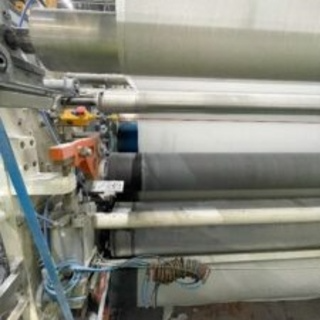
Hand Injury Highlights Importance of Safe Systems of Work
WEPA Professional UK Limited has been fined £60,000 after an employee's hand became trapped between machine rollers while attempting to clear a blockage. An investigation found that the company had identified the need for formal safe operating procedures in its risk assessment, but these procedures had not been implemented
Key Message: Risk assessments must be supported by effective safe systems of work and employee training to prevent serious machinery-related injuries.
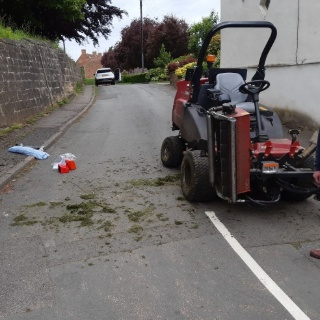
Ride-On Lawnmower Incident Highlights Need for Risk Assessment
A District Council has been fined £50,000 after a worker was seriously injured when a ride-on lawnmower slipped on a steep bank and fell over a vertical wall. The investigation found there was no risk assessment, no edge protection, and no safe system of work for operating the mower in the area.
Key Message: Employers must assess terrain hazards and implement suitable control measures when using ride-on machinery, particularly where there is a risk of overturning or falls from height.
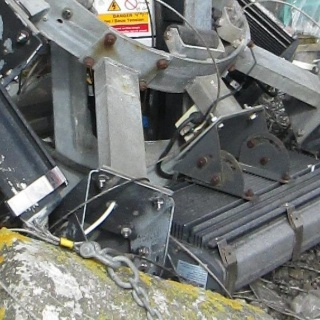
£2.25 Million Fine Following Serious Lifting Incident
Eurotunnel has been fined £2.25 million after a lighting carriage was dropped onto an engineer, causing serious injuries. The investigation identified failures in lift planning, maintenance arrangements, risk assessments, safety procedures, and training as contributing factors to the incident. Based on these failings, the company was prosecuted and fined by the court.
Key Message: The case highlights the importance of thorough lift planning, effective maintenance programmes, and robust training to ensure lifting operations are carried out safely.
Fire Safety Failings Lead to Care Home Prosecution
Portelet Manor Limited has been ordered to pay fines and costs of almost £100,000 following a fatal fire involving a vulnerable resident. The incident occurred when the resident's clothing caught fire while smoking in a designated smoking area, leading to a prosecution for fire safety failings.
Key Message: The case highlights the importance of robust fire risk assessments and appropriate control measures to protect vulnerable individuals in residential and care settings.

Nursery Worker Jailed Following Child Death
A nursery worker has been sentenced to three years and four months in prison after the death of a toddler in her care. Following the incident, Fairytales Day Nursery Limited was fined £240,000 for corporate manslaughter and health and safety offences, and ordered to pay a further £56,000 in costs.
Key Message: The case highlights the critical importance of safeguarding, staff training, supervision, and robust safety management systems when caring for vulnerable individuals.

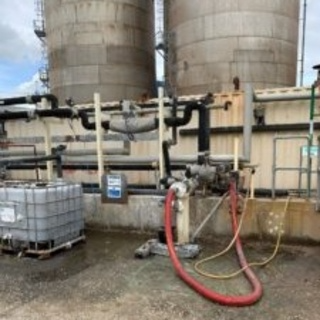
£3.8 Million Fine Following Caustic Soda Burns
Industrial Chemicals Limited (ICL) has been fined £3.8 million after two separate incidents in which employees suffered serious caustic soda burns. Investigations found that maintenance arrangements and procedures failed to prevent chemical spills, while the protective footwear provided was unsuitable for the risks involved
Key Message: The case highlights the importance of effective COSHH controls, preventative maintenance, suitable PPE, and robust procedures when handling hazardous substances.
Worker Suffers Serious Hand Injury During Machinery Cleaning
Tyco Electronics UK Limited has been fined £340,000 after an employee suffered a serious hand injury while cleaning a hydraulic ram, resulting in three fingers being reattached. Investigators found that inadequate power isolation procedures allowed the machine to restart unexpectedly, and there was no safe system of work or instruction provided to employees.
Key Message: The incident highlights the critical importance of effective lock-off and isolation procedures, particularly during cleaning and maintenance activities, to prevent machinery from unexpectedly restarting.
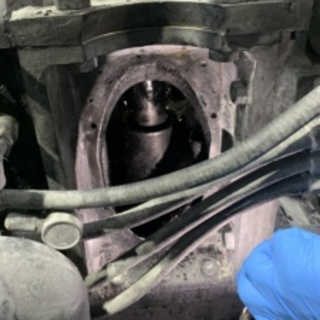
Worker Loses Both Legs in Excavator Incident
A waste management company has been fined £120,000 after a 24-year-old worker was crushed by a reversing 15-tonne excavator, resulting in the amputation of both legs. The investigation found that pedestrians had not been adequately segregated from moving plant, creating a significant risk of collision.
Key Message: The incident highlights the importance of effective traffic management, segregation of pedestrians and vehicles, and robust site controls to prevent serious workplace injuries involving mobile plant.

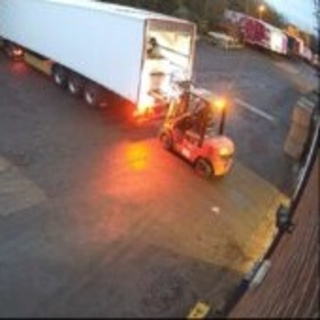
Worker Crushed by Falling Concrete Block During Vehicle Test
BA Mobile Fleet Services Limited has been fined £30,000 after a worker was crushed by a one-tonne concrete block while setting up a loaded trailer for a DVLA brake test. The investigation found inadequate segregation between vehicle movements and pedestrians, as well as a lack of formal training and authorisation for the forklift truck operator
Key Message: The incident highlights the importance of effective traffic management, competent operator training, and segregation of pedestrians from lifting and vehicle operations to prevent serious. workplace injuries.
[http://Compliance with DVLA, back-fired A vehicle maintenance company has been fined after a worker was crushed by a one-tonne concrete block which fell whilst he was setting up a loaded trailer for a DVLA brake test. Not only was there a lack of segregation between the vehicle activity and pedestrians, there was also no formal training or authorisation for the fork-lift-truck driver. (Photo: HSE) In court, BA Mobile Fleet Services Limited pleaded guilty to breaching Section 2(1), Health and Safety at Work etc Act. The company was fined £30,000 and ordered to pay £4,325 in costs. https://press.hse.gov.uk/2026/04/16/company-fined-after-worker-crushed-by-one-tonne-block-while-inside-hgv-trailer/]Read more here: Press release
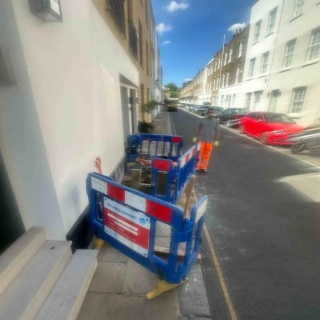
Thames Water Fined for Unsafe Street Works
Thames Water has been fined £10,000 after carrying out street works that obstructed a pavement without providing suitable safety measures for pedestrians. The prosecution highlights the importance of protecting members of the public when undertaking work in public spaces.
Key Message: Organisations carrying out street works must ensure adequate pedestrian management and safety controls are in place to protect the public and comply with legal requirements.
Fatal Confined Space Incident Results in £2.475 Million Fine
Two pest control contractors lost their lives after being exposed to nitrogen gas at a chicken processing facility. The gas, which is colourless and odourless, had accumulated in a confined area due to a poorly designed installation. Following the investigation, Air Products Ltd, which was responsible for the installation, was fined £2.475 million and ordered to pay £83,000 in costs.
Key Message: The incident highlights the deadly risks associated with confined spaces and inert gases, reinforcing the need for robust design, risk assessment, and control measures where hazardous atmospheres may be present.
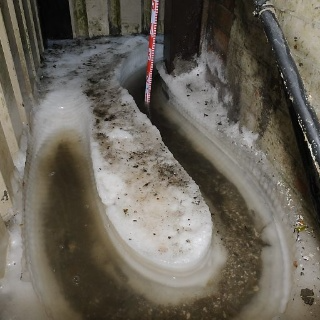
Construction Company Fined for Welfare Failures
Ling Developments Limited has been fined after repeatedly failing to provide adequate welfare facilities on construction sites and ignoring previous improvement notices issued by the HSE. The company pleaded guilty to breaches of the Construction (Design and Management) Regulations 2015 and was fined £15,858, with additional costs of £3,858.
Key Message: The prosecution highlights the importance of providing suitable welfare facilities on construction sites and responding promptly to enforcement action to ensure worker health, safety, and wellbeing.
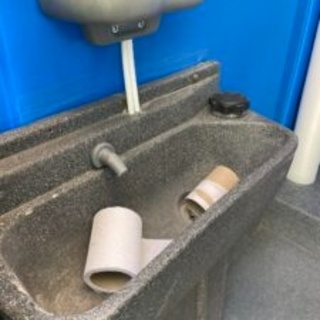
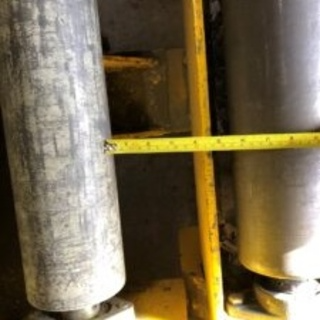
Leg Amputation Following Trailer Roller-Deck Incident
MM Flowers Limited has been fined £134,000 after a worker suffered life-changing injuries when his foot became trapped in a gap between rollers on a trailer used to transport aircraft containers. Unable to escape as a container rolled towards him, the worker sustained severe injuries that ultimately led to the amputation of his leg. Investigators found that the hazard had not been identified or addressed in the company's risk assessments.
Key Message: The incident highlights the importance of identifying entrapment hazards during risk assessments and ensuring equipment is designed, maintained, and used in a way that prevents serious injuries.
Unsafe Ladder Use Leads to Prosecution
BHG (Stone) Limited and its director were prosecuted after a worker suffered serious injuries when he fell from a ladder that had been wedged across a stairwell opening. The worker sustained fractures to his skull and back while carrying out insulation work, and the director was found personally responsible for allowing the unsafe working practice to continue.
Key Message: The incident highlights the dangers of improvised access arrangements and the need for suitable work-at-height controls, supervision, and safe working methods on construction sites.

Fire Safety Failings in Residential Flats Lead to Prosecution
13 Bedford Square Limited has been fined after failing to address significant fire safety deficiencies in a block of flats in Brighton. The company had previously received an enforcement notice relating to the absence of a fire risk assessment, unsafe escape routes, deficiencies with the fire alarm system, and outstanding work to fire-resisting doors. Despite being given time to comply, the required improvements were not completed
Key Message: The case highlights the importance of acting promptly on fire risk assessment findings and enforcement notices to ensure residential buildings remain safe for occupants.
Online Training Portal
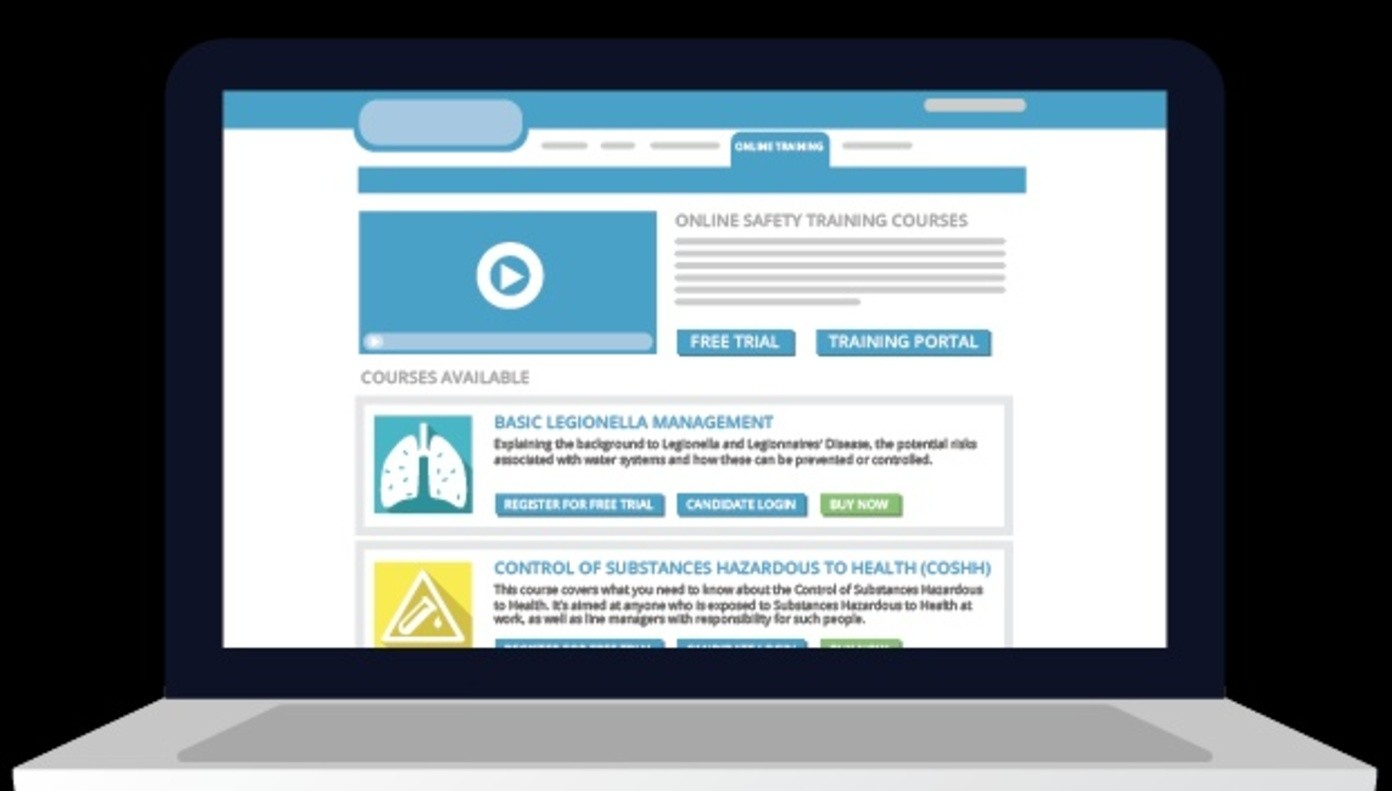
We offer a range of eLearning on our HSE Advisor online training portal including bundles!
The prices you see advertised will be discounted if you request them via info@hseadvisor.co.uk

Thank you for taking the time to read this month’s update.
If you need support with policies, training, audits, risk assessments, or anything else please get in touch with HSE Advisor Ltd.
Stay safe,
The HSE Advisor Ltd Team